
The Leeways of Philosophizing Today
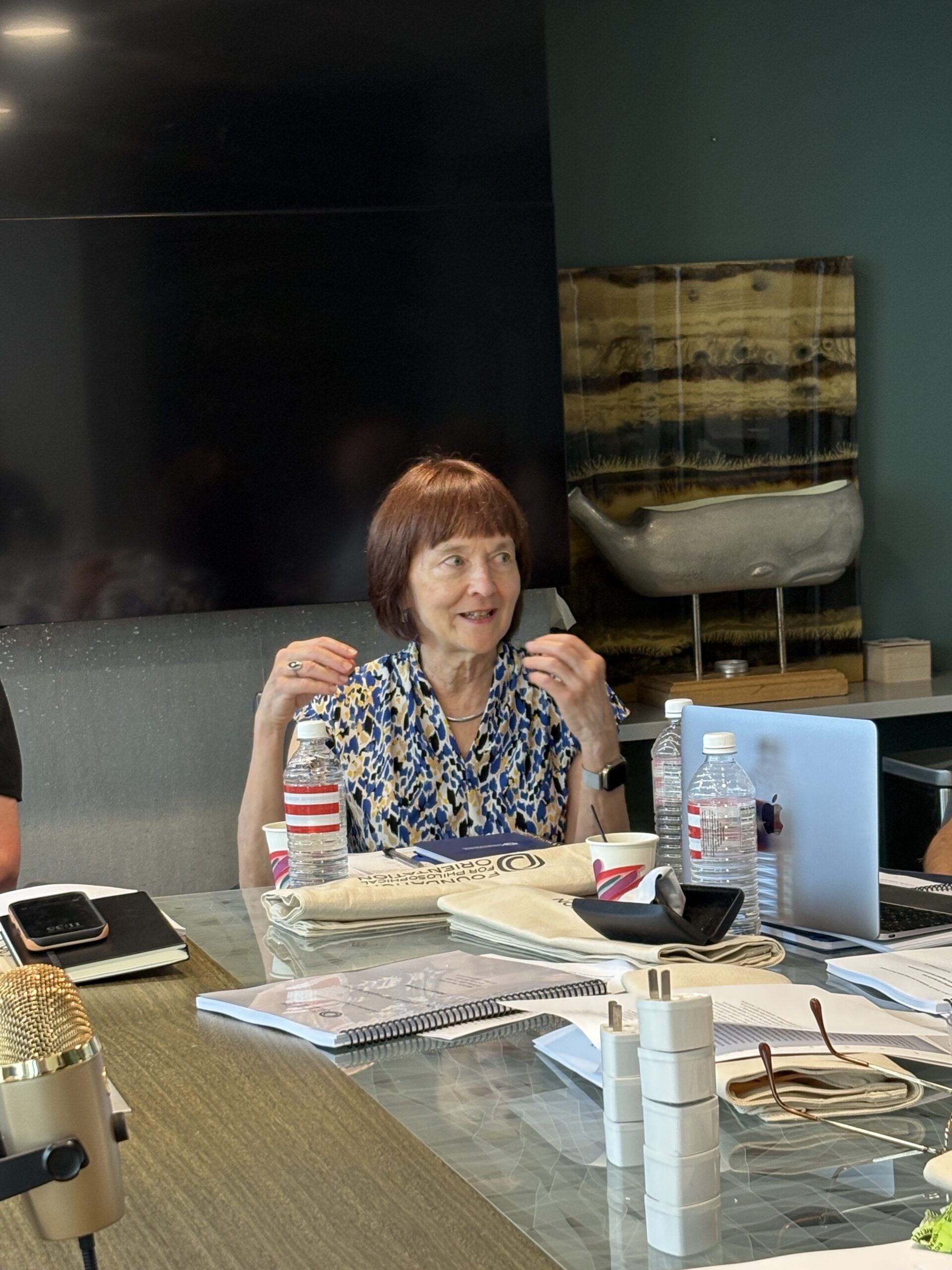
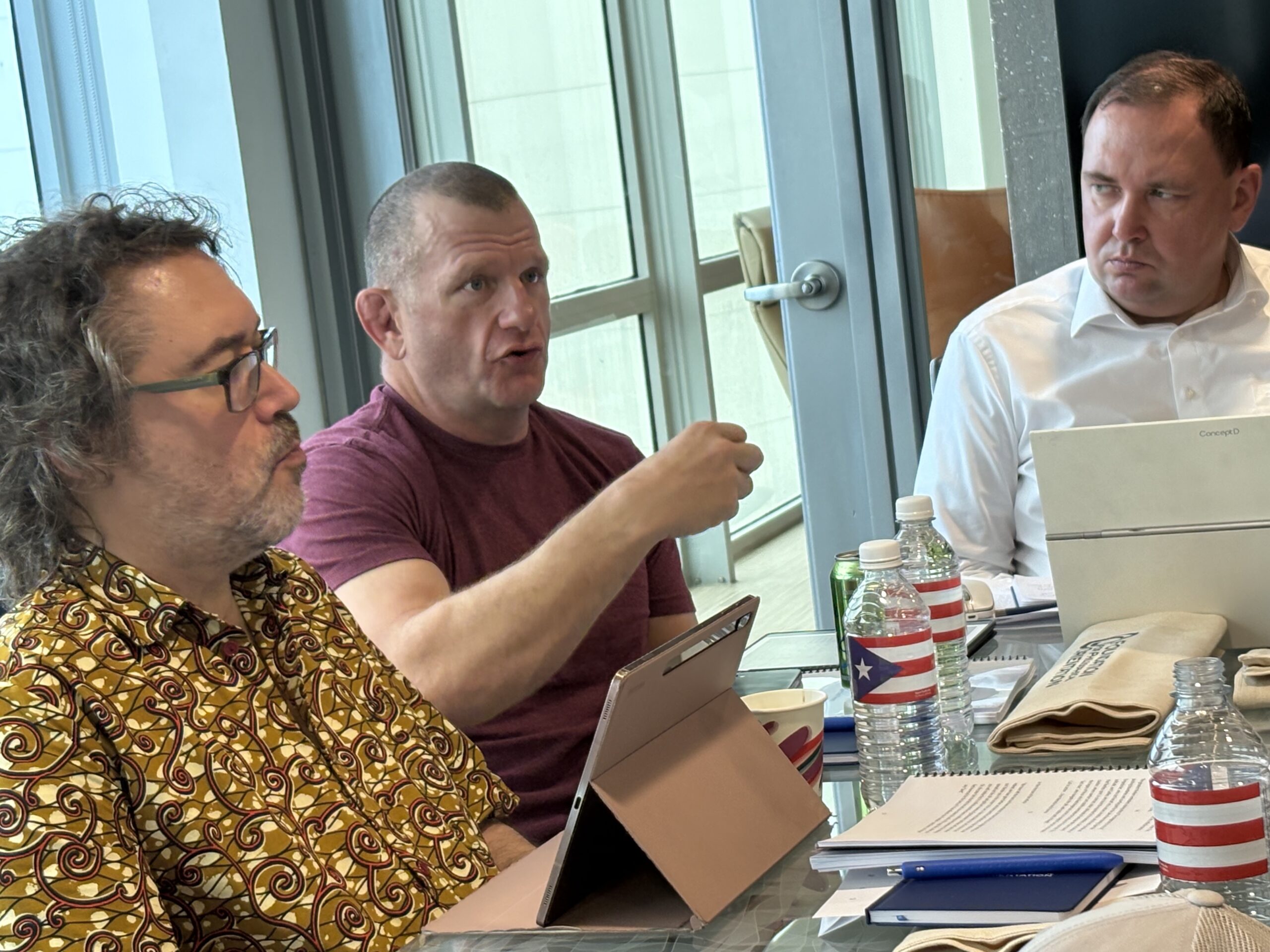
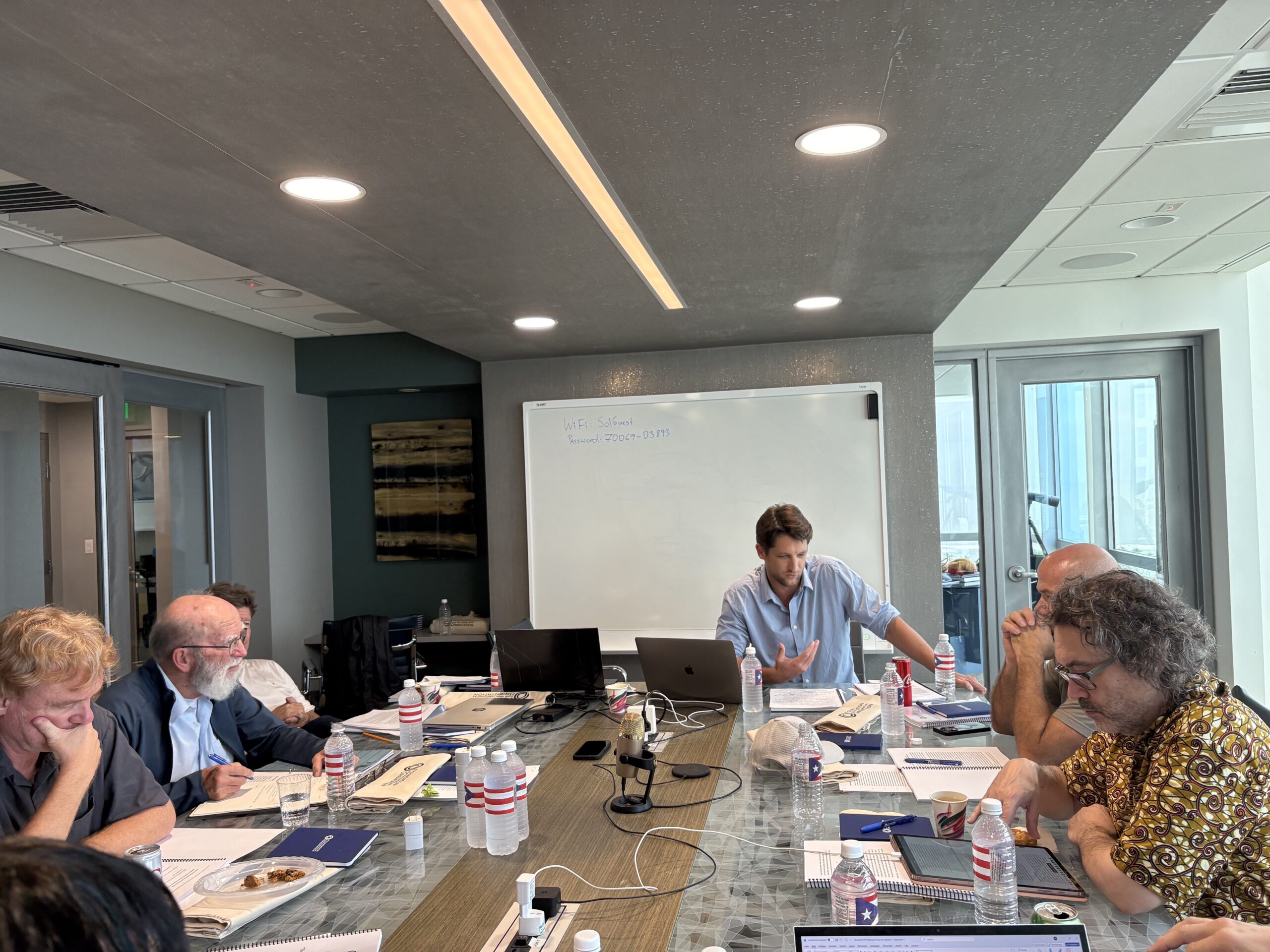
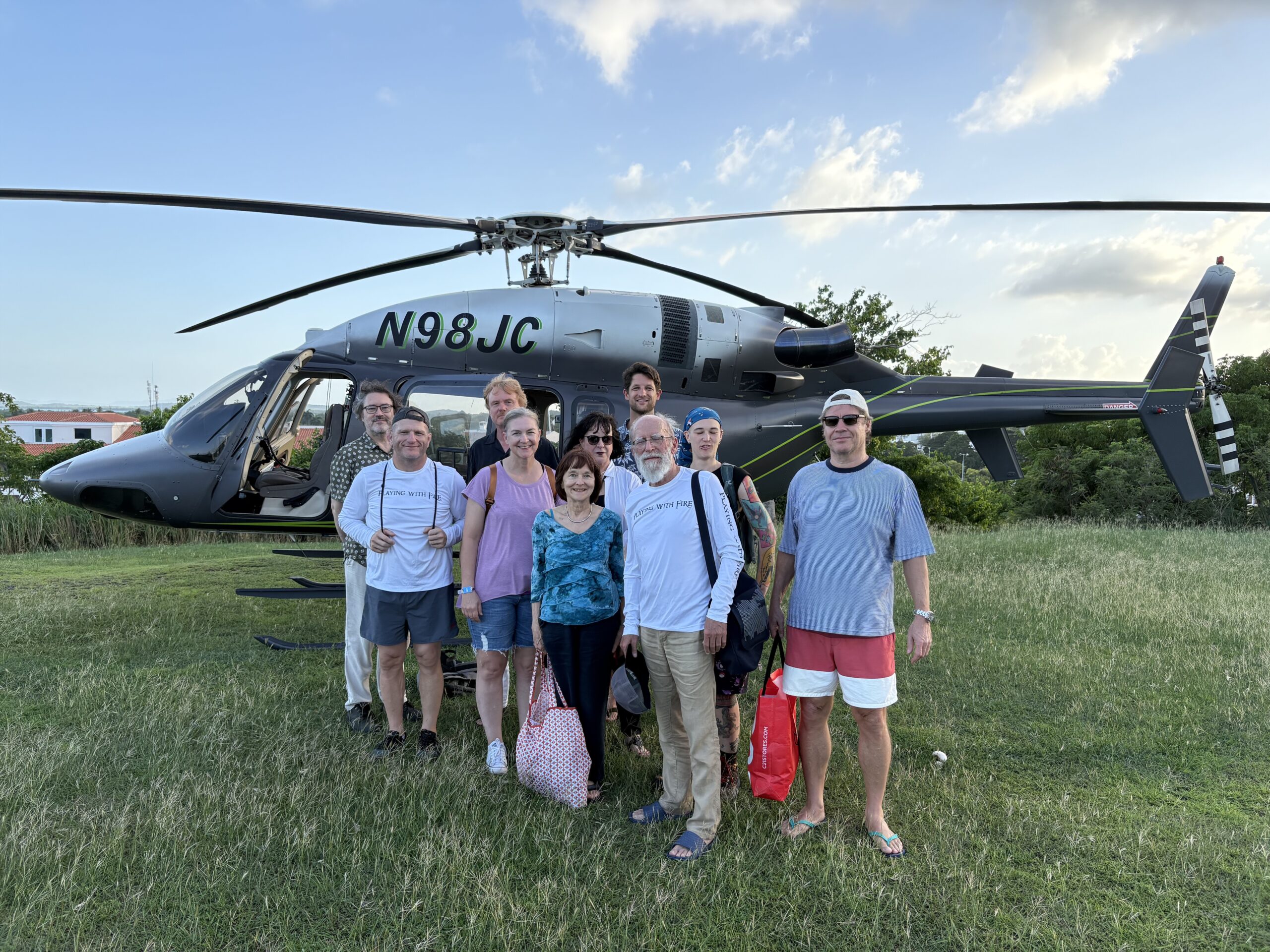
Our Meeting of the Foundation for Philosophical Orientation in San Juan, Puerto Rico, on November 1–3, 2025.
Photos
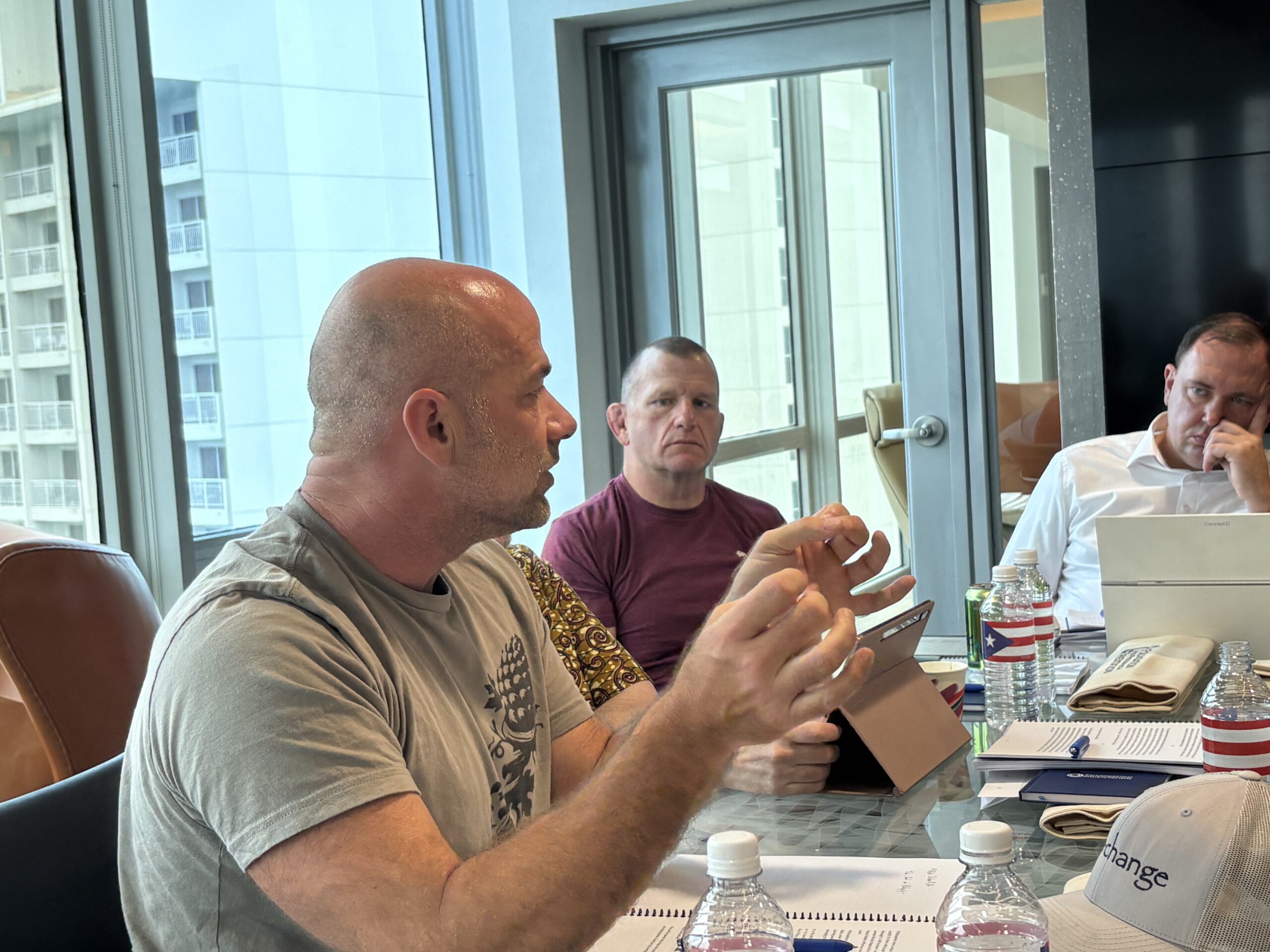
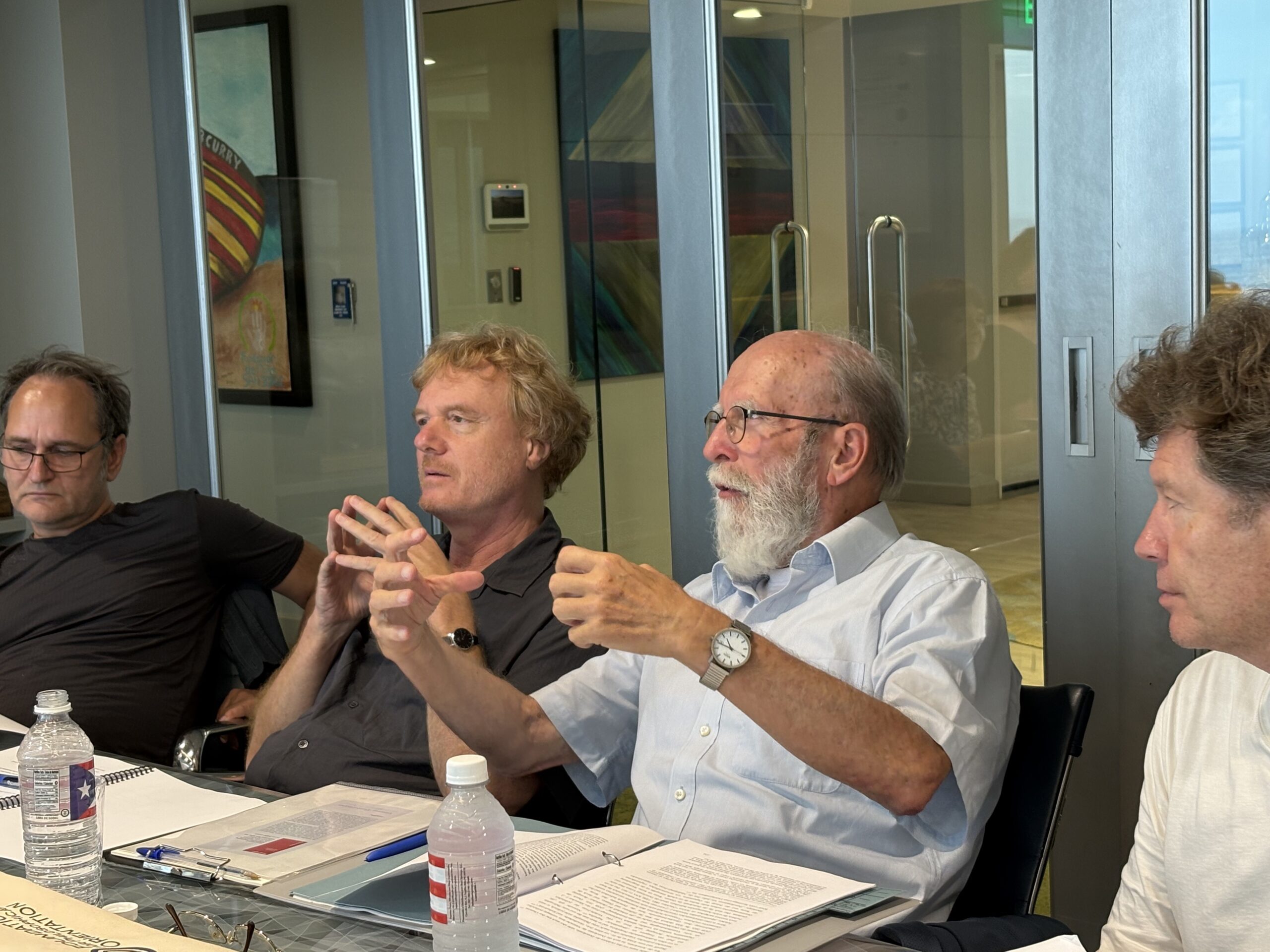

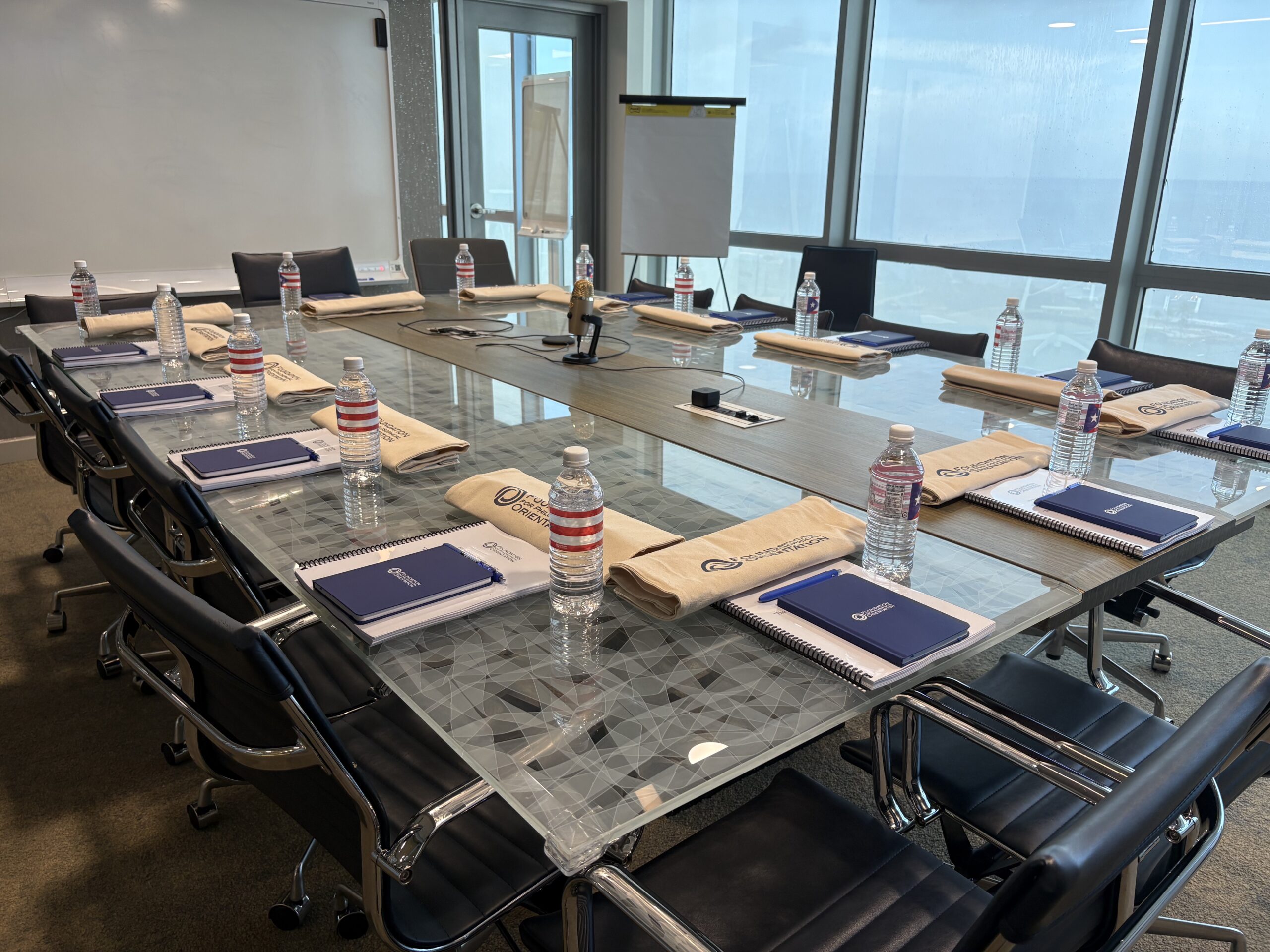
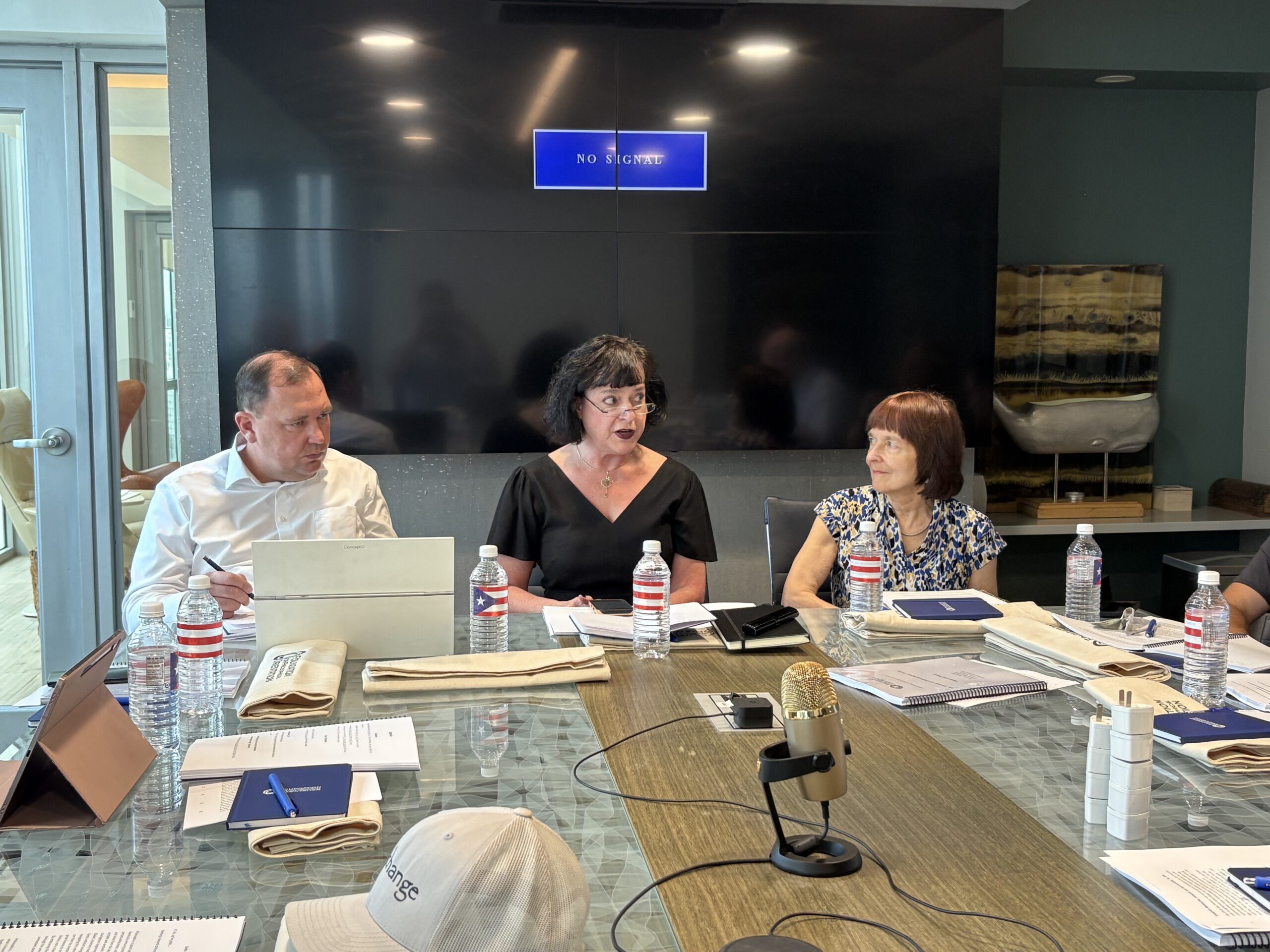


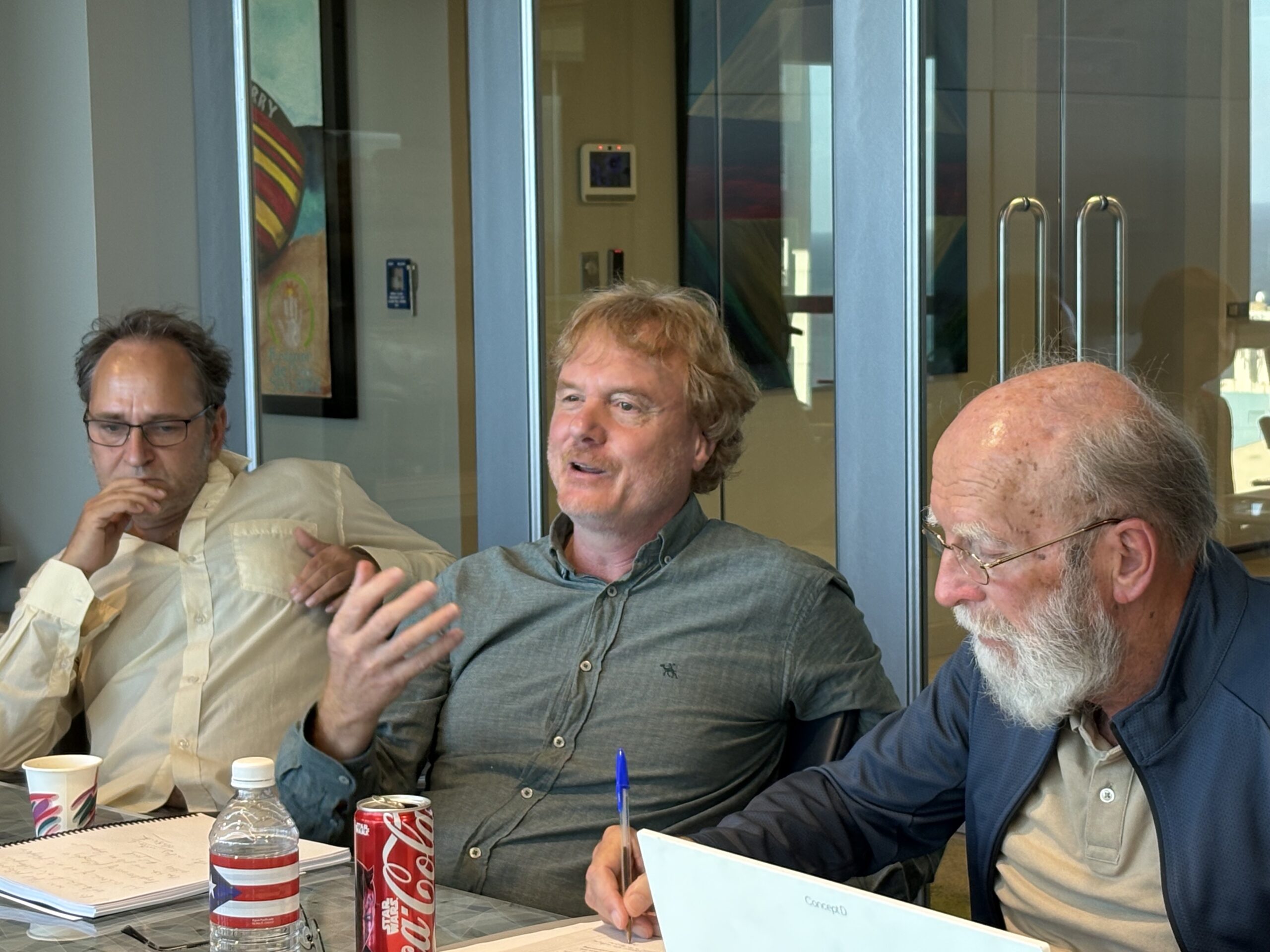
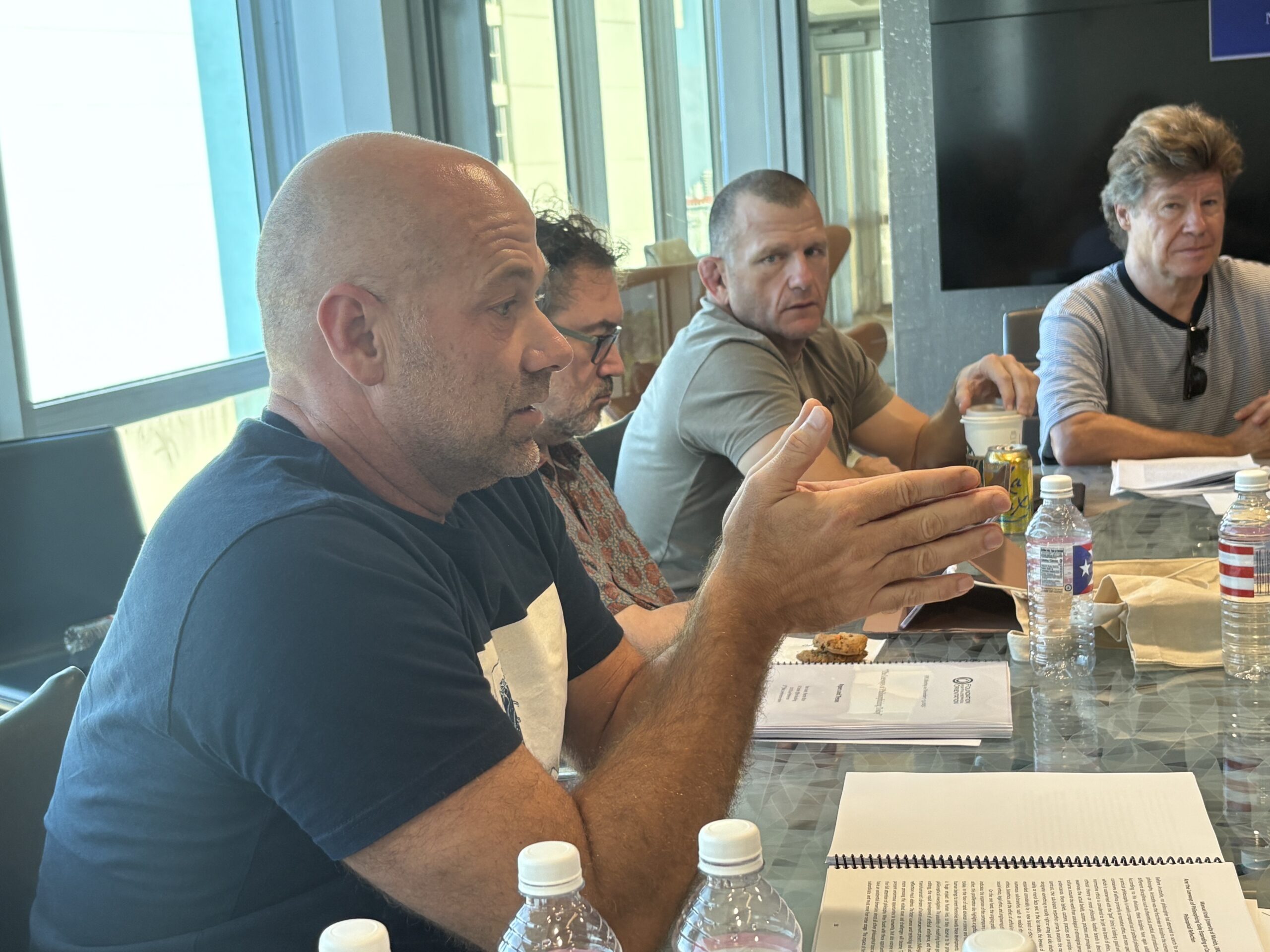
Exploring the Leeways of Philosophy
At our meeting in San Juan, Puerto Rico, we engaged with one of the most crucial questions of philosophy, namely the question concerning the limits of philosophy today. In our orientation-philosophical language, our guiding question was: “What are the leeways of philosophizing today?”
The concept of ‘leeway,’ from the German Spielraum, literally means ‘play-room,’ a room to play, like a playground, where one can act according to the rules of the game, while the space outside the playground does not follow the same rules. Philosophy, like any “language game,” has likewise developed its own leeways, according to which we distinguish between ‘proper’ and ‘improper’ philosophizing today. If there are limits or leeways of philosophizing today, then what does this mean for the nature of philosophy itself? And shouldn’t philosophy, as the love and pursuit of wisdom, be without limits, or at least continually question its own limits? The profession of philosophy today seems to largely remain within its established structures.
At our conference, we decided to avoid formal talks and instead focused, in a Dionysian fashion, on the spirit of philosophizing itself. Papers were sent ahead, we used our time together for engaging dialogue – testing ideas, tugging on loose threads, and seeing where the argument needed to move next.
In a provocative list of aphorisms under the title “Limits of Philosophizing from the Fear of the Unknown” our founder, Mike Hodges, posed the challenge to a room of philosophers to question and push the boundaries of philosophy itself, probing philosophy as living and thinking dangerously. He claims that “It’s all up for grabs: Nothing is beyond philosophy.” Reinhard Mueller then reported on the results from our recent FPO virtual seminar on the “Limits of Philosophy,” co-facilitated with Douglas Giles, highlighting that today’s philosophy, as any discourse, is also a discourse of power and morals, with leeways of inclusion and exclusion, that must engage with its own limits especially concerning today’s academic and Western philosophizing. Werner Stegmaier, author of the philosophy of orientation, spoke about the “Limits of Philosophizing in the Search for Hold,” focusing on his own experiences and explorations of philosophical boundaries, emphasizing those philosophers who have most daringly pushed the boundaries of philosophy in recent history, reorienting and surpassing even their very own earlier philosophies, namely: Nietzsche, Heidegger, and Wittgenstein.
After an inspiring excursion to the beautiful Caribbean Ocean, the second day of discussions was opened by Werner Stegmaier, who set the frame by posing questions to each contributor that delved into specific aspects of the limits of philosophy today:
James Madden explored the paradox that human nature is limited while philosophy ought to be unlimited and the “embarrassing fact that, even among philosophers, there is agreement about neither the ends nor the means of philosophical activity.” Further inquiring into limits, Enrico Müller took us back to the ancient Greeks and Anaximander’s to apeiron – the unlimited, the boundless – arguing that “a revaluation of today’s philosophical values – in the sense of a liberating thought from overly one-sided premises and from cognitive fixations that have solidified into tradition – remains possible.”
Continuing the notion of the unlimited, Elizabeth Richmond-Garza revealed philosophy as a never-ending challenge, underscoring that even the “local leeways of philosophy, as important as they are, depend upon the imperfect nature of philosophizing itself. Whether yesterday, today, or tomorrow, philosophizing resists being entombed in a perfect mausoleum of thought.”
Just as Douglas Giles advocated for bringing philosophy back to where people actually live, their actual individual lives instead of abstractions, and for including “everyday people and their non-academic standpoints,” so did Kathleen Higgins question the dominant discursive structure of professional philosophizing today: “the scientific journal has become the dominant model of philosophical writing,” which in fact precludes philosophical leeways, “for it privileges univocal expression and aims to minimize the effects of perspective.” She explored the narrative nature of our orientation and suggested: “Perhaps as philosophers we need to make use of stories more frequently if we are to orient as freely as we would like.”
Focusing on our current transformations, Manuel Knoll argued that today’s leeways of philosophizing are not only expanding, given the “ongoing proliferation of applied ethics,” but that they are also contracting “because rapid advances in science and technology are forcing philosophers to prioritize analyzing these developments.” At the same time, Hans-Georg Moeller underscored that “the leeways of philosophizing today are constrained by the academic industry, the media system, and the rise of profilicity.”
Placing the theme of Dionysian philosophizing within Nietzsche’s philosophy and the concepts of self-overcoming and value creation, Enes Sütütemiz finally explored the nature of risk-taking philosophizing and asked: “If the available leeways of philosophizing are themselves symptomatic of the constraints imposed by the dominant paradigm, by what mechanisms can genuinely novel thought emerge from perspectives that remain entangled in the same, nihilistic mode of thinking?”
We audio-recorded our discussions and are currently working on the book publication of both the contributions and the dialogues with Orientations Press, forthcoming in 2026.